

What Is My Home Worth in Hamilton County Right Now?

It's the question nearly every homeowner eventually types into Google, usually followed by a specific address and a hopeful click. And the automated answer that comes back, a Zestimate-style number pulled from an algorithm, is often wrong by tens of thousands of dollars in a market like Hamilton County's, where conditions vary block by block and inventory has been tight enough that timing genuinely matters. Here's what actually determines your home's value, and why the real number requires more than a computer looking at public records.
Why Online Estimates Fall Short
Automated valuation models (AVMs) work by analyzing closed sales and public tax records within a radius of your address. They're a reasonable starting point for a ballpark figure, but they're structurally blind to the details that actually move a home's price: they don't know you finished the basement last year, that your kitchen was fully renovated in 2023, that your lot backs up to a quiet cul-de-sac instead of a busy collector street, or that the comparable sale down the street closed fast specifically because it had a feature yours doesn't. In a market where buyers are increasingly discerning about condition and layout, that gap between algorithm and reality has only grown.
What Actually Goes Into a Real Valuation
Condition and Recent Updates
Kitchens and primary bathrooms carry the most weight, followed by big-ticket mechanical systems, roof age, HVAC, water heater, that buyers and their inspectors scrutinize closely. A well-maintained 20-year-old home with a newer roof and updated kitchen can outperform a nominally younger home that's been neglected.
Location and Lot Specifics
Two identical floor plans on the same street can carry meaningfully different values based on lot orientation, privacy, proximity to amenities or nuisances, and whether the lot backs up to green space or another backyard.
True Comparable Sales
A credible valuation leans on closed sales from the last 60 to 90 days, not the last 12 months, and prioritizes homes genuinely comparable in size, condition, and location, not just anything that sold nearby. In a market that's shifted even modestly, a comp from eight months ago can already be stale.
Current Buyer Demand and Inventory
How many buyers are actively shopping in your price bracket and neighborhood right now, and how much competing inventory they have to choose from, directly affects what your home will actually command, independent of what it might have sold for a year ago.
Curb Appeal and First Impressions
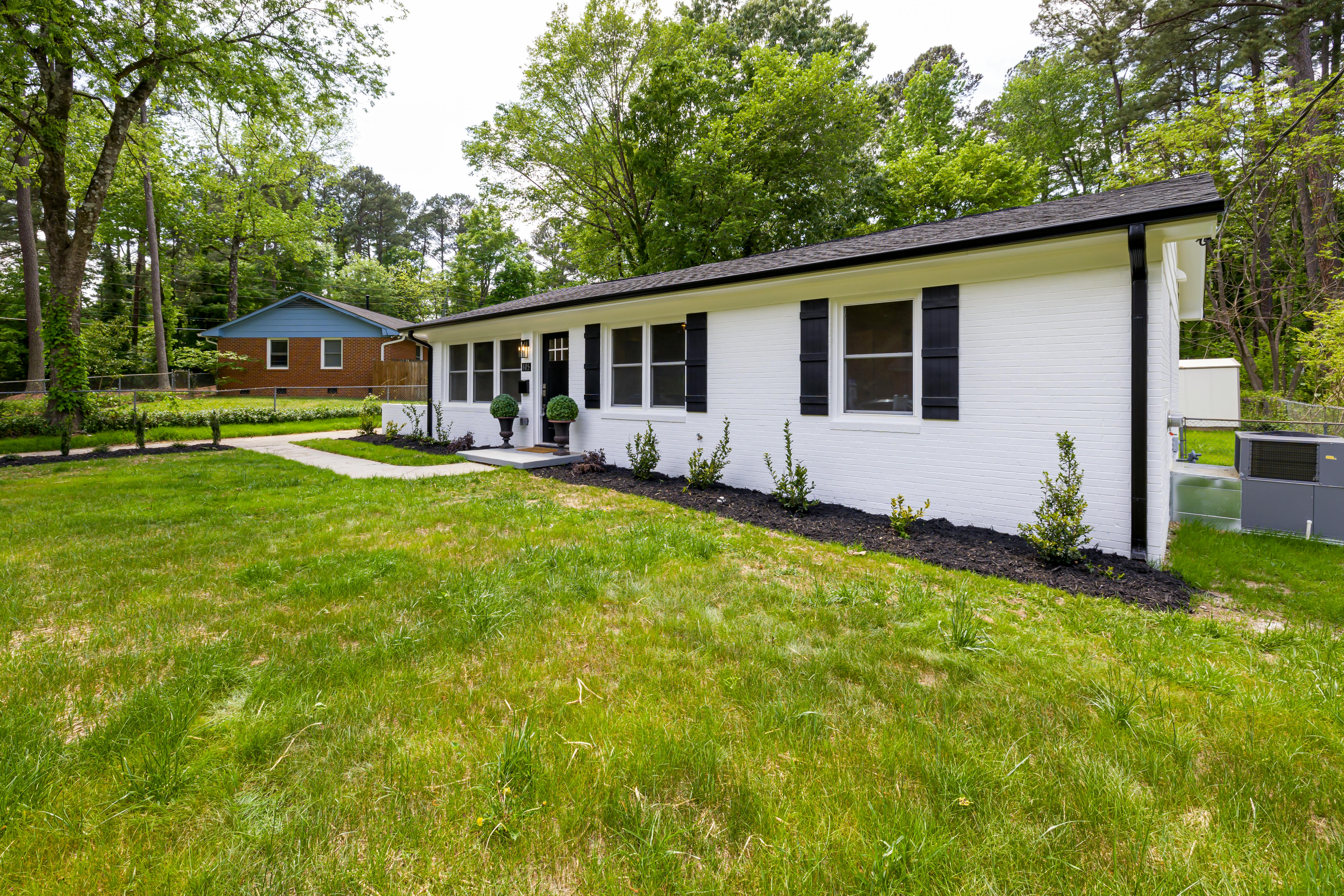
Online listing photos and in-person first impressions still drive how many offers a home receives, which in turn affects final sale price. This is one of the few factors sellers have full control over in the weeks before listing.
Unique Features and Functional Space
A finished basement, a home office, an oversized garage, or a fenced yard can carry different weight depending on current buyer priorities, which have shifted noticeably toward flexible home-office space and outdoor living since a few years ago.
What's Actually Happening in the Hamilton County Market Right Now
Per MIBOR REALTOR® Association data, the Indianapolis metro is running at roughly 0.97 months of housing supply, close to a balanced market, with a slight lean toward buyers having more options than they did a couple of years ago. That plays out differently by city: Fishers homes are averaging around 61 days on market with roughly 2 offers per listing; Noblesville is running closer to 60 days with about 1 offer. Carmel's premium positioning tends to mean somewhat longer marketing times for homes priced at the top of their range, while well-priced homes in strong school districts across the county continue to move quickly.
The practical takeaway: pricing correctly the first time matters more today than it did during the peak of the seller's market a few years ago. Overpricing even modestly can mean sitting on the market long enough that buyers start to wonder what's wrong with the house, a perception problem that's genuinely hard to undo, even with a later price cut.
How a Professional CMA Differs From an Algorithm
A Comparative Market Analysis (CMA) starts with the same public data an algorithm uses, but adds what only a local agent walking the property can provide: a firsthand condition assessment, knowledge of which specific streets or sub-sections of a neighborhood command a premium, awareness of pending sales that haven't closed yet, and an understanding of which of your home's features buyers in today's market are actually paying extra for versus which are simply nice-to-haves. It's the difference between a statistical estimate and an informed opinion of value grounded in what's happening on the ground right now.
Common Mistakes Sellers Make When Estimating Value
Over-anchoring to what a neighbor's house sold for without accounting for condition or timing differences; assuming every renovation dollar spent translates directly into resale value (it rarely does, dollar for dollar); pricing based on what you need to net rather than what the market will actually bear; and waiting too long into a softening season to get a professional opinion instead of an early, accurate one.
Frequently Asked Questions
How is my home's market value different from its tax-assessed value?
Tax assessments are calculated by the county assessor on a set schedule and often lag behind real-time market conditions significantly, they're not designed to reflect what a buyer would pay today, and shouldn't be used as a substitute for a current market valuation.
How often should I check my home's value?
If you're not planning to sell, a check-in once a year is plenty. If you're within 6 to 12 months of a potential sale, it's worth getting a fresh, professional read on value rather than relying on an estimate from a year or more ago.
Does a kitchen renovation guarantee a higher sale price?
It typically helps, but rarely returns 100% of what you spend in added value, and over-improving relative to your neighborhood's price ceiling can actually make it harder to recoup the investment. Worth a conversation before you spend, not after.
What's the fastest way to get an accurate number?
Start with our free Home Valuation tool for an initial estimate, then follow up for a full in-person CMA if you're seriously considering a sale in the next 6 to 12 months.
Get a Real Number, Not a Guess
An online estimate is a starting point for curiosity. A professional valuation is what you actually need before making a decision that involves this much money. You can start with our free Home Valuation tool, or reach out directly and I'll walk the numbers with you personally, no obligation, just a straight answer.
Sources: MIBOR REALTOR® Association market data (mibor.com).
Categories
Recent Posts






GET MORE INFORMATION