

Living in the Village of WestClay: Carmel's Most Walkable Neighborhood
Living in the Village of WestClay: Carmel's Most Walkable Neighborhood
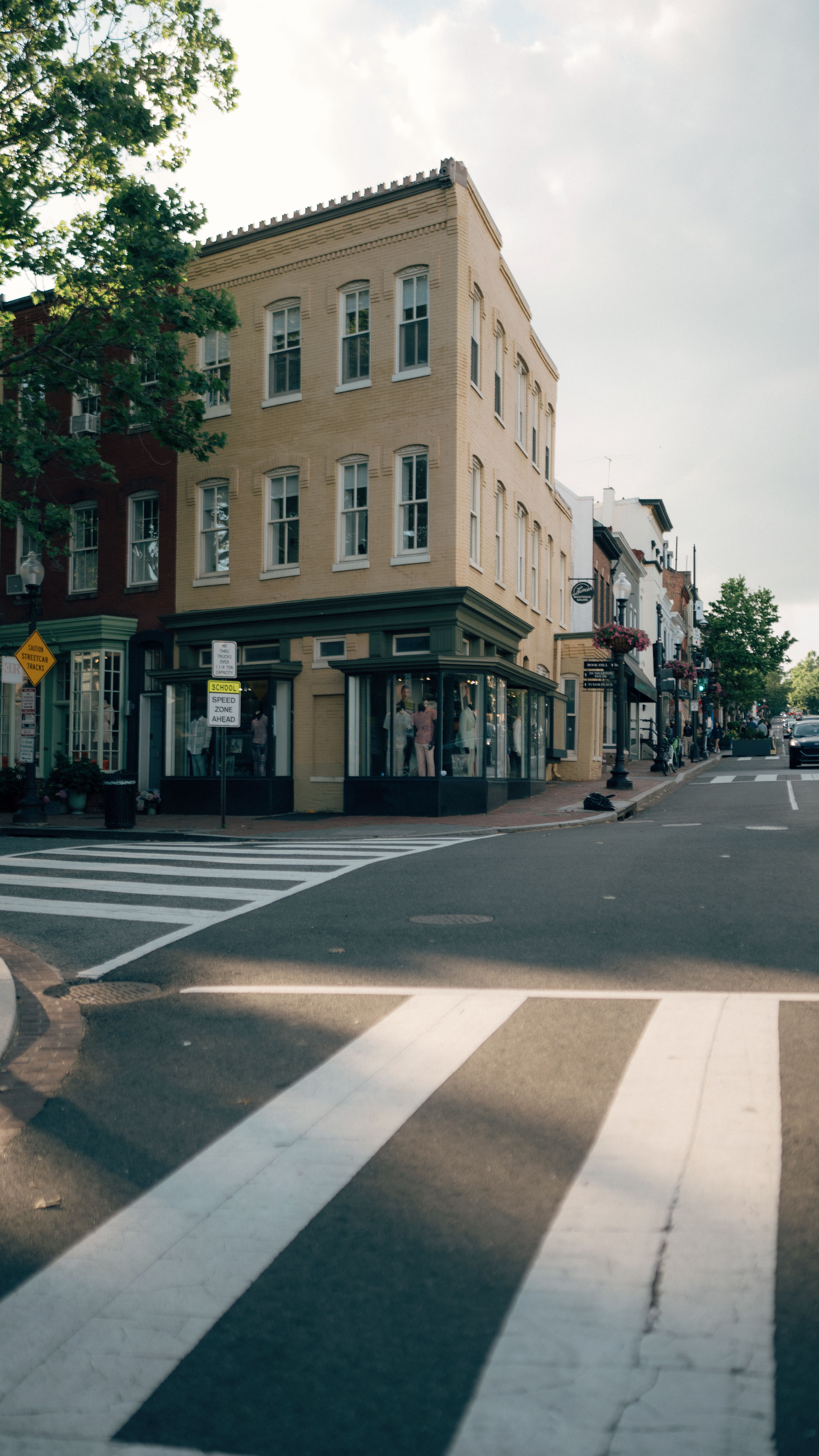
As The Marine REALTOR, I show the Village of WestClay to a specific kind of buyer: someone who wants small-town, walk-to-everything living without leaving Carmel. Tucked in the northwest part of the city off Towne Road, WestClay is a planned neighborhood built around New Urbanist principles, meaning narrow tree-lined streets, front porches close to the sidewalk, alley-loaded garages, and a genuine town center within walking distance of most homes. It's one of the more distinct housing products in Hamilton County, and it's worth understanding what actually makes it different before you tour it.
The New Urbanist Design, Explained
Most Carmel-area neighborhoods are built around cul-de-sacs and collector roads designed primarily for cars. WestClay flips that: homes sit close to the street with front porches meant to be used, garages are tucked into rear alleys instead of dominating the front facade, and the street grid is designed for walking as much as driving. The result feels closer to a small historic town than a modern subdivision, which is exactly the intent behind the design and a big part of why it draws a specific, loyal buyer.
The Village Center
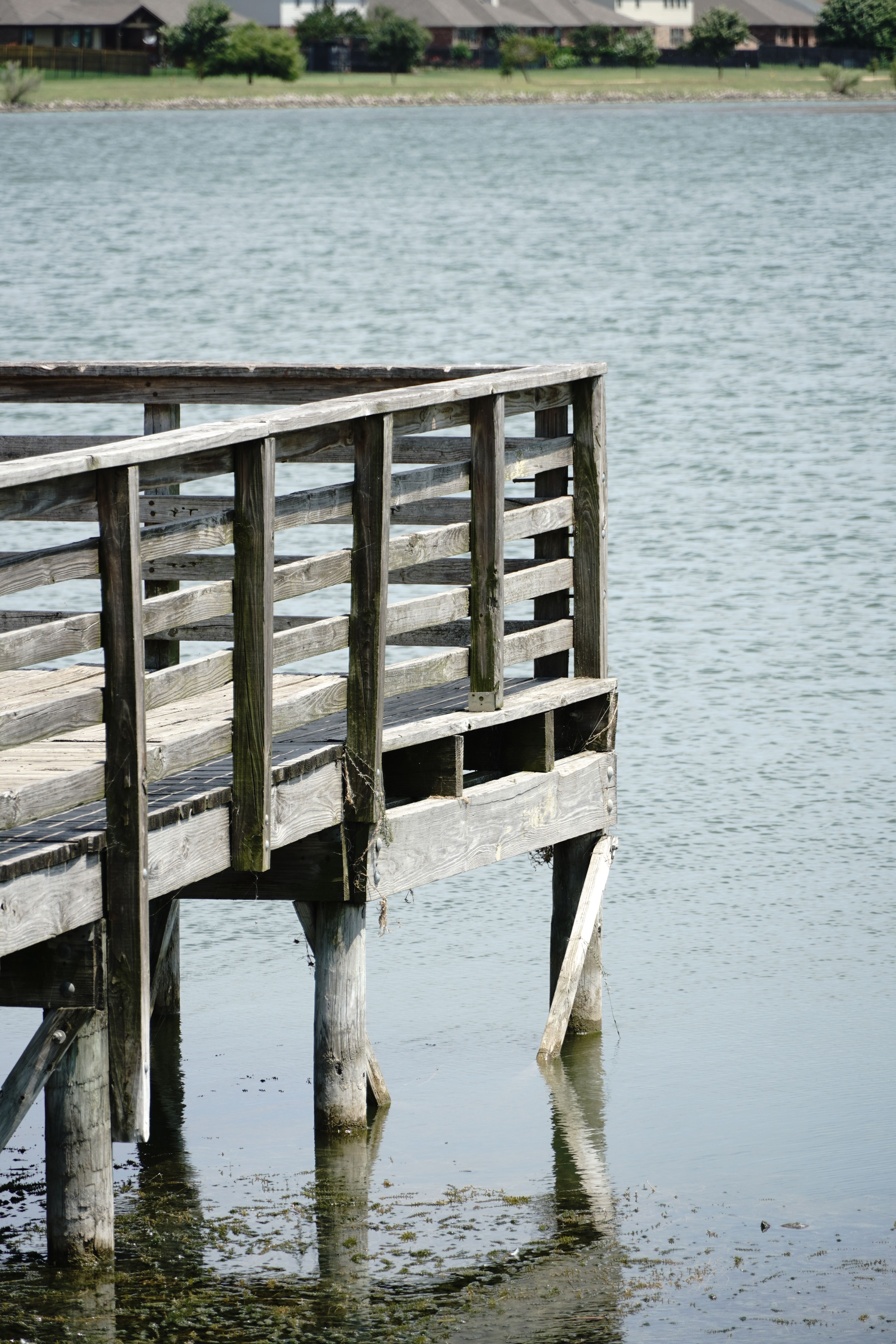
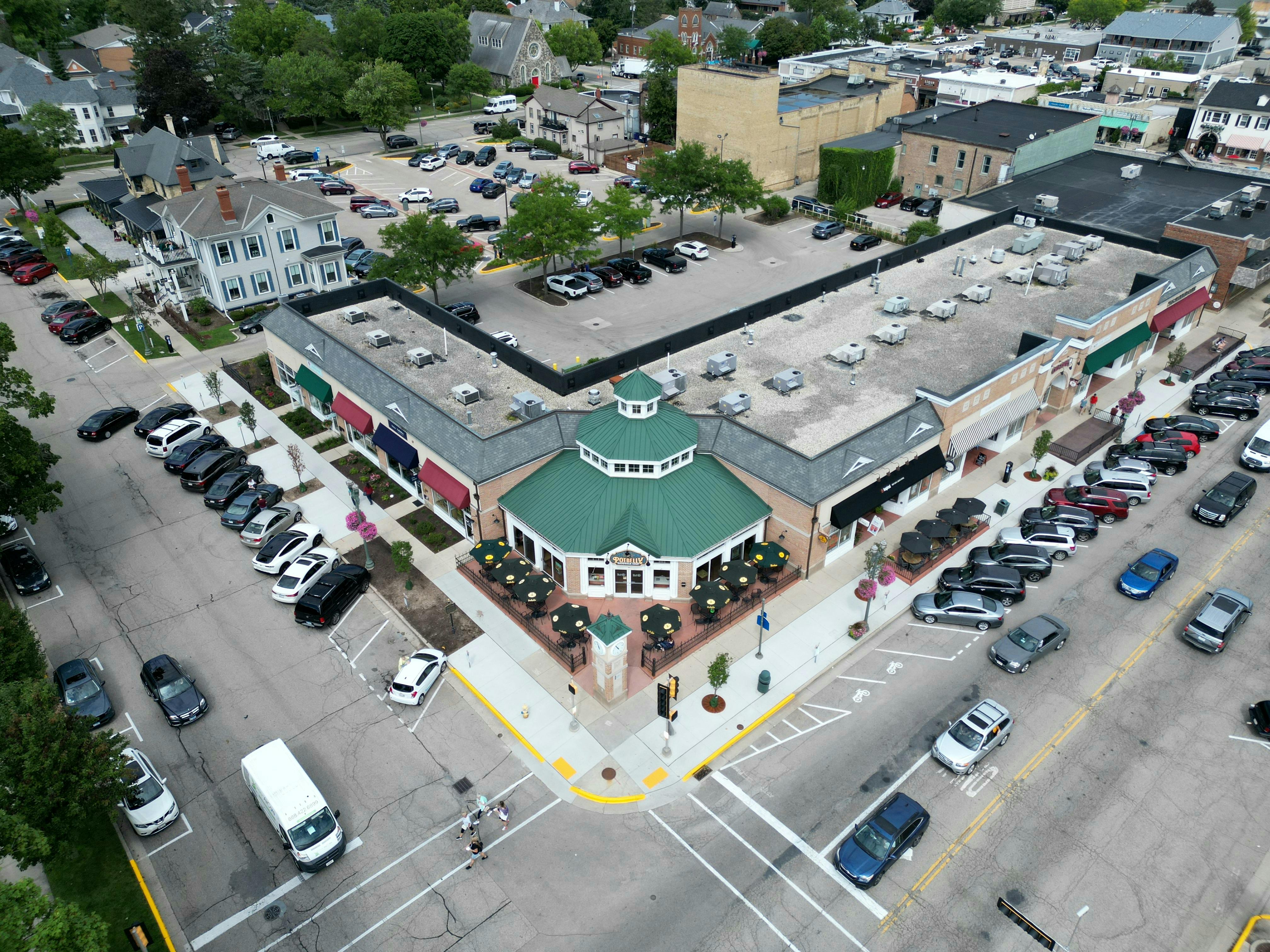
At the heart of WestClay is a town center with a mix of shops, restaurants, and services within walking distance of the surrounding homes, along with green spaces and a pond that anchor the neighborhood visually. It functions as a genuine gathering point rather than a drive-to strip center, and it's one of the features buyers consistently mention as the reason they chose WestClay over a more conventional Carmel subdivision.
Home Types and Architecture
WestClay includes a real mix of housing types, single-family homes, townhomes, and carriage homes, generally built in traditional architectural styles that reinforce the neighborhood's small-town aesthetic rather than the more contemporary designs common in newer Carmel developments. That variety means the price range within WestClay itself is fairly wide, and it's worth touring more than one home type before assuming you know what fits your budget and lifestyle.
Walkability in Practice, Not Just in Marketing
"Walkable" gets used loosely in real estate marketing, so it's worth being specific about what it actually means here. Sidewalks connect nearly every home to the village center, street trees and porches create a pedestrian-scaled environment rather than a car-scaled one, and the pond and green spaces give residents a reason to walk beyond just running errands. For buyers who specifically want to reduce car dependence for daily needs, WestClay delivers on that in a way most Hamilton County neighborhoods, built primarily around vehicle access, simply don't.
HOA Structure and What It Covers
A neighborhood with this level of design consistency and shared amenity space comes with a homeowners association, and it's a meaningful part of owning here, not a minor detail. HOA dues typically cover maintenance of common areas, the pond, and shared green spaces, along with architectural guidelines that help preserve the neighborhood's consistent look over time. Specific dues and covenant details change over time, so I'd always recommend pulling current HOA documents for any listing before writing an offer rather than assuming they match what a neighbor mentioned.
Schools Serving the Area
WestClay falls within Carmel Clay Schools, the same district serving the rest of Carmel, which carries a Grade A rating and ranks among the top public school districts in Indiana. As with any Carmel-area purchase, I'd recommend confirming exact school assignment for a specific address directly with the district before treating it as settled, since attendance zones within a single district can still vary by street.
Commute and Connectivity
WestClay sits on the northwest side of Carmel, giving reasonably direct access to US-421 (Michigan Road) and connections toward both downtown Carmel and the broader Indianapolis area. It's a bit further from the Keystone Parkway corridor that serves central and eastern Carmel, which is worth factoring in if your commute runs east rather than south, but it's well positioned for anyone working on the northwest side of the metro.
What It Costs to Buy Into WestClay
WestClay generally prices at or above Carmel's citywide average, which itself runs around $525,831, reflecting the neighborhood's design consistency, walkability, and the town-center amenities that come with it. Exact pricing varies significantly by home type and specific location within the neighborhood, so treat any single number as a starting point for a conversation rather than a firm budget line.
Who Tends to Choose WestClay
In my experience, buyers drawn to WestClay are specifically looking for the walkable, small-town feel and are willing to prioritize that over a larger lot or a more contemporary floor plan. If daily walkability to shops, restaurants, and green space matters more to you than square footage or a three-car garage, it's worth touring; if a large private yard is the priority, other Carmel neighborhoods may fit better.
New Construction Versus Resale in WestClay
WestClay has been developed in phases over the years, so buyers touring the neighborhood today will find a mix of established resale homes and, depending on where the current development phase stands, some newer construction opportunities. Established sections tend to have more mature landscaping and a settled feel, while newer phases may offer more current floor plans and finishes. It's worth asking specifically which phase a listing falls in, since the character can vary meaningfully from one section of the neighborhood to another even though the overall design language stays consistent.
Beyond the Village Center: Nearby Amenities
While the village center covers a lot of day-to-day needs within walking distance, WestClay residents aren't isolated from the rest of Carmel and the surrounding area. A short drive puts you within reach of Carmel's broader retail and dining corridor along US-31, as well as the city's park system and trail network. For buyers who want walkability for daily errands but still want easy access to bigger-box shopping or additional restaurant variety, WestClay's location strikes a reasonable balance rather than requiring a tradeoff.
A Note on Traffic, Parking, and Everyday Livability
The alley-loaded garage design that makes WestClay's streets look and feel more pedestrian-friendly also means street parking works differently than in a typical subdivision, worth understanding before you assume your day-to-day experience will look like a conventional neighborhood. Most residents adapt quickly, and the tradeoff is generally viewed as worth it for the walkability and streetscape it enables, but it's a fair question to ask current residents or your agent about during a tour rather than discovering it after you've moved in.
Frequently Asked Questions
What makes the Village of WestClay different from other Carmel neighborhoods?
Its New Urbanist design, narrow walkable streets, front porches close to the sidewalk, rear-loaded garages, and a genuine town center within walking distance, sets it apart from Carmel's more conventional, car-oriented subdivisions.
What school district serves the Village of WestClay?
WestClay is served by Carmel Clay Schools, which carries a Grade A rating. Specific school assignment within the district depends on address, so it's worth confirming directly for any home you're considering.
Is WestClay more expensive than the rest of Carmel?
It generally prices at or above Carmel's citywide average of roughly $525,831, though pricing varies by home type and location within the neighborhood, so it's worth reviewing specific listings rather than relying on the citywide average alone.
Does WestClay have a homeowners association?
Yes. HOA dues typically cover common area and pond maintenance along with architectural guidelines that help preserve the neighborhood's consistent design. Current dues and covenants should be confirmed for any specific listing before you make an offer.
What types of homes are available in WestClay?
The neighborhood includes single-family homes, townhomes, and carriage homes, generally in traditional architectural styles, giving buyers a real range of price points and layouts within the same walkable neighborhood.
Is WestClay a good fit for someone who works from home?
Many remote workers find it appealing specifically because of the walkability, being able to step out for a coffee, a walk around the pond, or a quick errand without getting in the car can be a real quality-of-life difference when your commute is a hallway rather than a highway. It's worth touring at different times of day to get a feel for the neighborhood's pace before deciding.
How far is WestClay from downtown Carmel and the Arts & Design District?
It's a drive rather than a walk, WestClay sits on the northwest side of Carmel while the Arts & Design District is more central, but it's a reasonably short drive connecting via US-421 and the city's main corridors.
Curious whether WestClay fits what you're looking for? Browse Featured Listings, or reach out directly, I show this neighborhood regularly and I'm glad to walk you through whether it's the right fit for your specific priorities.
Sources: City of Carmel (carmel.in.gov); Carmel Clay Schools (ccs.k12.in.us); Redfin-sourced Carmel pricing data via web search, 2026. Market figures reflect conditions at the time of publishing and should always be verified against current, active listings before you make any purchase decision.
Categories
Recent Posts



GET MORE INFORMATION