

Best Neighborhoods in Carmel, Indiana: A Local Buyer's Guide
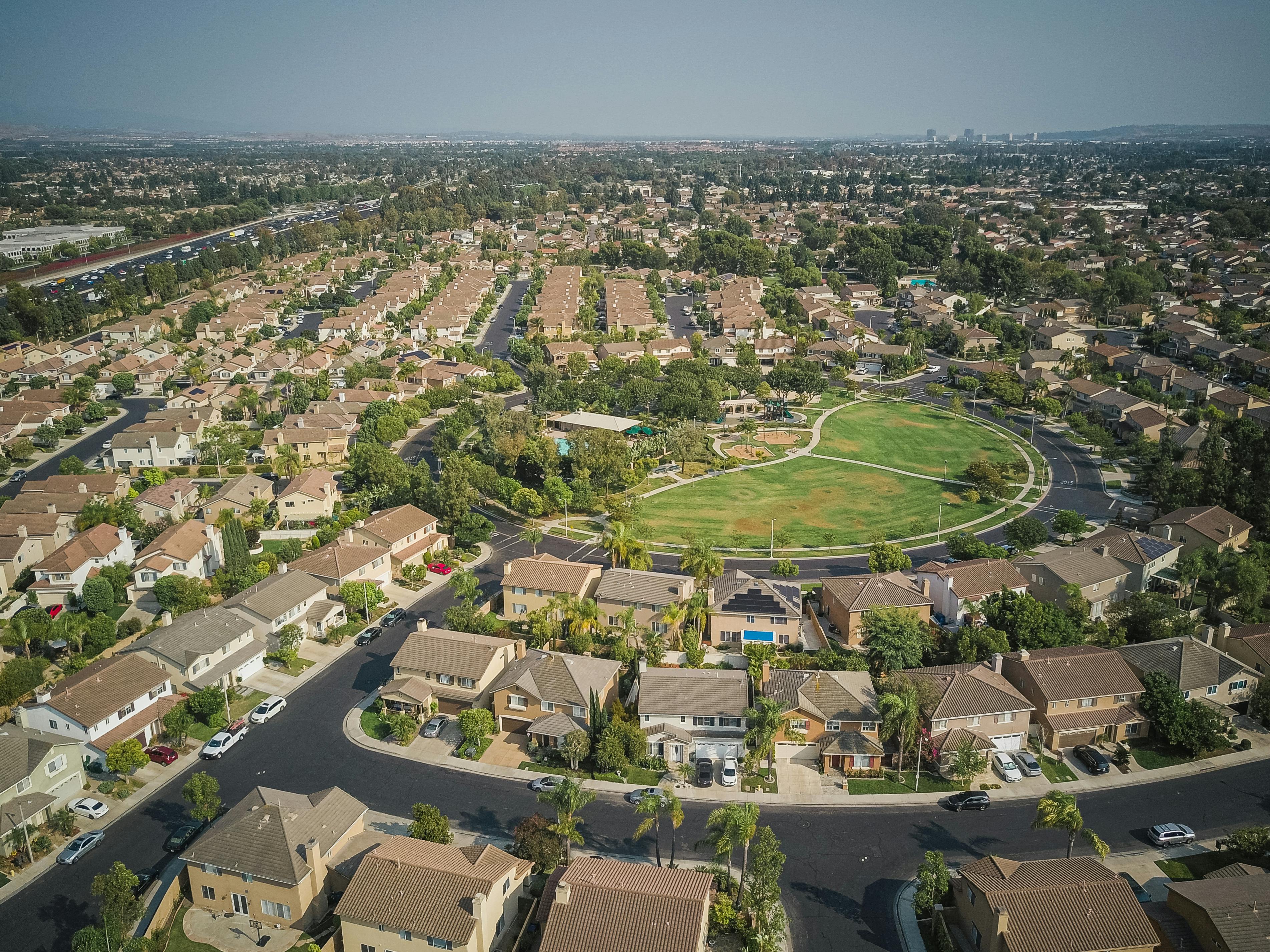
As The Marine REALTOR, one question I hear more than almost any other from relocating buyers is simple: "Where in Carmel should we actually live?" Carmel is the largest city in Hamilton County, over 106,000 residents as of 2026, and it's not one neighborhood, it's a patchwork of very different ones. Here's an honest, boots-on-the-ground breakdown of the areas I show buyers most often, and what each one actually offers.
Why Carmel Keeps Ranking Among Hamilton County's Best
Carmel isn't just popular, it's measurably one of the best-rated places to live in the state. Niche.com ranks it #1 in Hamilton County for 2026 (4.4 out of 5, 329 reviews), and Carmel Clay Schools carries the highest school-district grade of the three major Hamilton County districts. Many buyers choose Carmel for the schools first, the neighborhood second. So that's how I'll walk through it: schools and lifestyle fit first, specific streets second.
Village of WestClay
If walkability is the priority, this is it. WestClay is Carmel's new-urbanist neighborhood, front porches, a real town square, and sidewalks that actually connect to something, built around a genuine village center instead of a subdivision entrance. It draws buyers who want to walk to a coffee shop or a park without getting in the car. Homes here trend newer and skew toward the upper end of Carmel's price range.
Bridgewater
Bridgewater offers more house, more yard, and more built-in amenities, for buyers willing to trade some proximity to downtown Carmel to get it. Think community pool, clubhouse, and an extensive internal trail network, all inside a single planned neighborhood. Homes here are generally newer construction or near-new resale, with floor plans that include bigger kitchens, dedicated home office space, and three-car garages.
It's a common landing spot for buyers relocating from out of state who want something close to move-in ready, without the ongoing maintenance surprises of an older home, and who value the built-in social infrastructure that a large planned community provides.
Downtown Carmel & the Arts & Design District
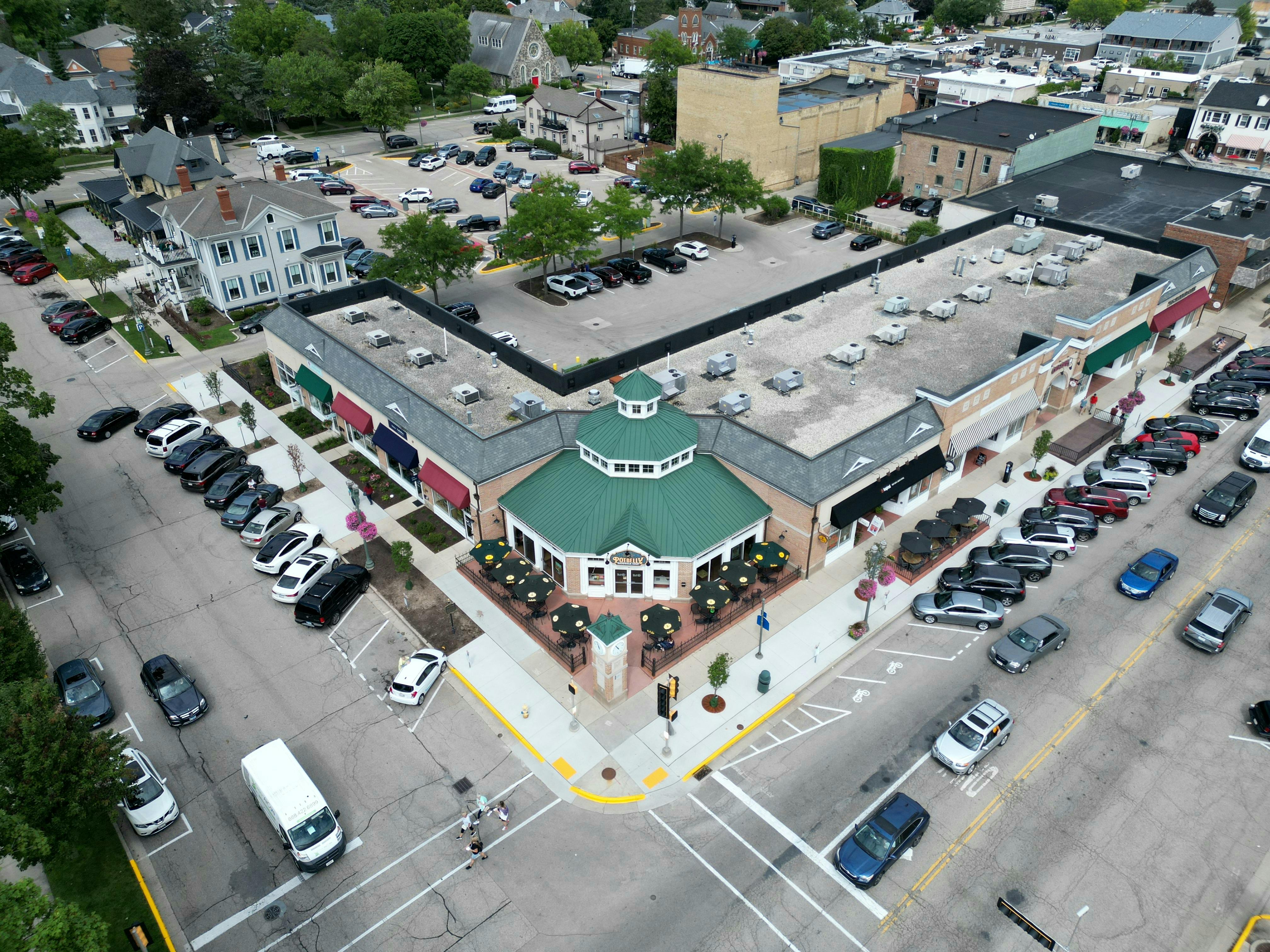
For buyers who want genuinely walkable, urban-feeling living without leaving Carmel Clay Schools, downtown Carmel and the Arts & Design District are a different lifestyle entirely from the rest of this list. Restaurants, galleries, live music, and direct Monon Trail access are all within walking distance, and the city's ongoing investment in mixed-use development means new residential options continue to come online.
This is a smaller and generally more expensive slice of the Carmel market. It tends to appeal to buyers who have deliberately chosen lifestyle and walkability over square footage, along with move-up buyers who want restaurants and culture within walking distance rather than a big backyard.
West Carmel & the Clay Terrace Corridor
The stretch of Carmel along and west of US-31, anchored by the Clay Terrace retail and dining corridor, offers some of the most practical everyday living in the city, strong retail and grocery access, a mix of established and newer subdivisions, and generally more moderate price points than WestClay or downtown. It's a good fit for buyers prioritizing convenience and value over walkability, while still keeping the Carmel Clay Schools address.
Parks, Trails & Recreation
Whichever neighborhood you land in, you're rarely far from serious recreational infrastructure. The Monon Trail runs the length of the city and connects into the broader Indianapolis trail network. Carmel Clay Parks & Recreation maintains an extensive system of parks, and the Monon Community Center offers year-round indoor recreation, an aquatics center, and fitness facilities that many residents treat as a genuine amenity when deciding where to live.
Home Types & Price Ranges
Carmel's citywide average home price sits around $525,831, but that number hides real variation by neighborhood. Home Place and parts of West Carmel tend to run below that average; Bridgewater and comparable newer planned communities cluster around or somewhat above it; Village of WestClay and downtown Carmel properties frequently run well above it, reflecting both smaller lot sizes traded for walkability and, in downtown's case, newer high-end construction. If budget is your primary constraint, that citywide average is a starting point for the conversation, not the answer, the right neighborhood search starts with your number, not the average.
Buying in a Competitive Market: What to Know
Carmel's desirability cuts both ways for buyers: it means strong long-term value retention, but it also means well-priced homes in popular neighborhoods can move fast and attract multiple offers, particularly in the spring and summer selling season. Getting pre-approved before you start touring, understanding which neighborhoods currently have the tightest inventory, and having a Realtor who can move quickly on new listings all matter more here than in a slower market. It's also worth understanding HOA structures early, Bridgewater and WestClay both carry HOA dues tied to their amenities, which factor into your real monthly cost beyond the mortgage payment.
Frequently Asked Questions
What do Carmel's school and livability rankings look like?
Carmel Clay Schools carries a Grade A rating, the highest of Hamilton County's three major districts, and Niche.com ranks Carmel #1 in Hamilton County for 2026, at 4.4 out of 5 across 329 reviews, for overall quality of life.
What is the average home price in Carmel, Indiana?
Citywide, average home prices run around $525,831, though this varies significantly by neighborhood, from more moderate options in Home Place and West Carmel to premium pricing in Village of WestClay and downtown.
Which Carmel neighborhood has the best schools?
All of Carmel falls within the Carmel Clay Schools district, so the district-level rating (Grade A) applies citywide. Specific elementary school assignments vary by exact address within the district, worth confirming for any specific home you're considering.
Is Village of WestClay worth the premium over other Carmel neighborhoods?
If walkability and a genuine town-center lifestyle are priorities, most residents would say yes. If you're prioritizing lot size and square footage per dollar, a neighborhood like Bridgewater or Home Place will stretch your budget further.
How competitive is the Carmel real estate market right now?
Conditions shift by season and by specific neighborhood, for the most current market snapshot, see our Market Snapshot page, updated regularly with current Hamilton County data.
Which Neighborhood Fits What You're Looking For?
If I had to compress this whole guide into one paragraph: choose Village of WestClay for walkability and town-center living, Home Place for value inside the Carmel Clay Schools boundary, Bridgewater for space and built-in amenities, downtown Carmel for an urban lifestyle without leaving the district, and West Carmel/Clay Terrace for everyday convenience at a more moderate price point. But the honest answer depends on your budget, your commute, and what you actually do with your free time on a Saturday, that's a conversation, not a blog post.
Ready to see what's actually available right now? Browse Featured Listings across Carmel, or reach out and I'll walk you through which neighborhood fits what you're looking for, no pressure, just a straight answer from someone who shows these streets every week.
Sources: World Population Review 2026 city data; Niche.com 2026 Best Places to Live rankings; Carmel Clay Schools (ccs.k12.in.us); City of Carmel (carmel.in.gov).
Categories
Recent Posts


GET MORE INFORMATION